
Machine Learning (ML) is a core subset of Artificial Intelligence (AI) and computer science. It focuses on developing techniques that enable computers to “learn” from data—improving accuracy over time by mimicking human learning patterns, rather than relying on rigid, pre-programmed rules.
Unlike traditional software that follows fixed instructions, ML algorithms use computational methods to extract insights directly from data. This allows systems to adapt, identify patterns, and make predictions or decisions without explicit human intervention for every task.
Core Categories of Machine Learning Techniques
ML technologies are generally divided into three fundamental types, each suited to different use cases based on data availability and learning goals:
- Supervised Learning
Uses labeled datasets (with known input-output pairs) to train models. Once trained, these models can predict outcomes for new, unseen data. Common applications include spam detection, housing price forecasting, and credit risk assessment. - Unsupervised Learning
Works with unlabeled data to uncover hidden patterns, clusters, or relationships. It does not require predefined outputs, making it ideal for exploratory data analysis. Use cases include customer segmentation, anomaly detection in network traffic, and recommendation system personalization. - Reinforcement Learning
Trains models through an “trial-and-error” process in interactive environments. An AI agent learns to maximize a “reward” signal by adjusting its actions based on feedback from its own behavior. This is widely used in robotics, game AI (e.g., AlphaGo), and autonomous vehicle navigation.
Most Common Machine Learning Algorithms
The AI field relies on a range of proven ML algorithms, each optimized for specific tasks. Below are the most widely adopted ones:
- Neural Networks
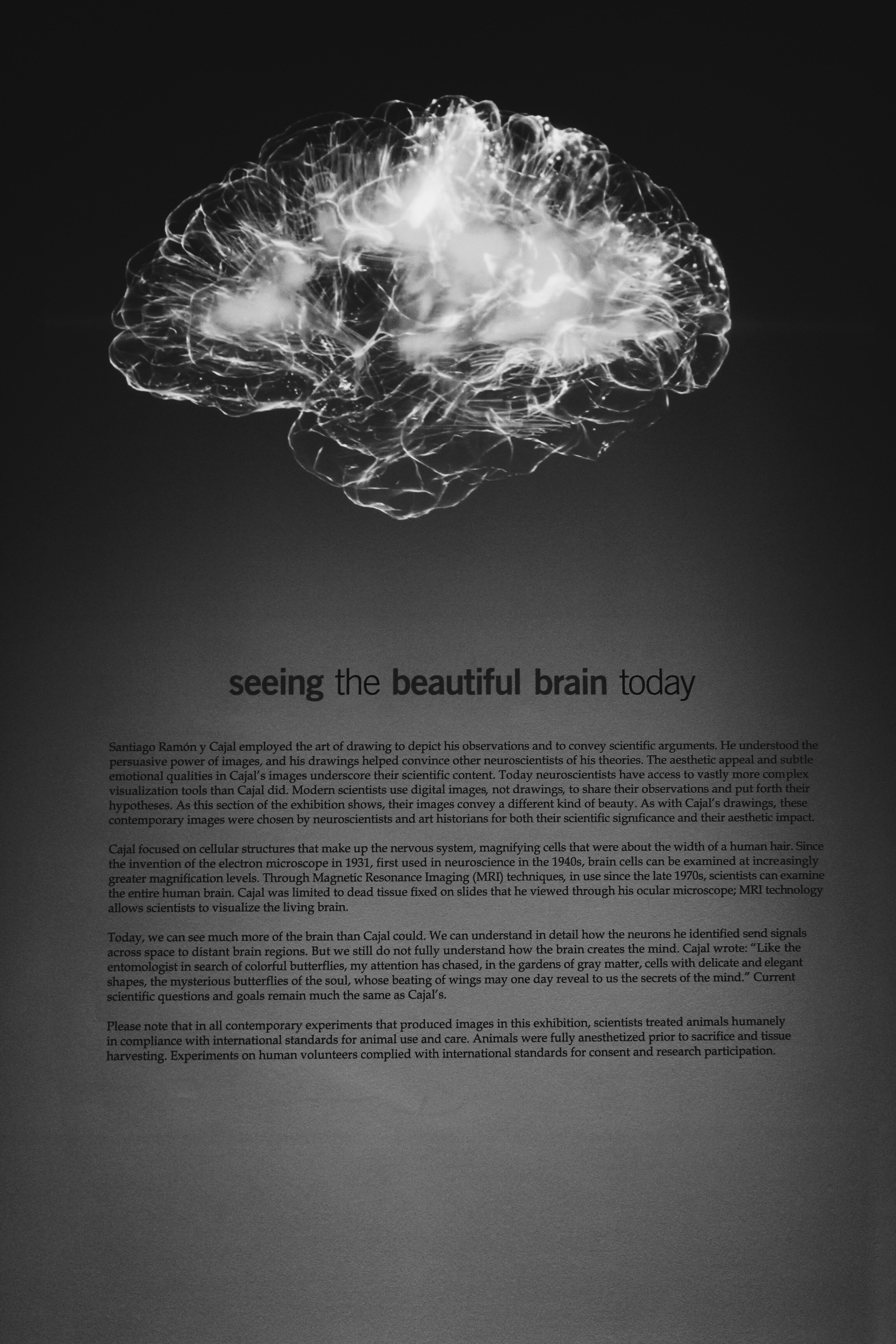
Inspired by the human brain’s structure, neural networks consist of interconnected “nodes” organized in layers. They excel at pattern recognition and are the backbone of applications like natural language translation (e.g., Google Translate), image recognition (e.g., facial detection), and AI-generated images. - Linear Regression
A statistical algorithm used to predict continuous numerical values (e.g., temperature, sales revenue) by modeling the linear relationship between an input variable and an output variable. For example, it can forecast next month’s electricity usage based on past consumption data. - Logistic Regression
A supervised learning algorithm for classification tasks (predicting categorical outcomes like “yes/no” or “spam/not spam”). It is commonly used in email spam filtering, disease risk prediction (e.g., diabetes likelihood), and manufacturing quality control. - Clustering
An unsupervised learning technique that groups similar data points together based on shared characteristics. It helps data scientists identify hidden trends—for instance, grouping customers by purchasing habits for targeted marketing campaigns. - Decision Trees
A visual, tree-like model that uses a sequence of decision rules (e.g., “Is a customer’s age > 30?”) to classify data or predict values. Unlike “black box” models like neural networks, decision trees are highly interpretable, making them easy to audit and validate. - Random Forests
An ensemble method that combines multiple decision trees to improve prediction accuracy and reduce overfitting. By aggregating results from many trees, it minimizes the bias of individual models. It is widely used in fraud detection, stock price prediction, and medical diagnosis.
Real-World Applications of Machine Learning
ML has transformed nearly every industry by enabling automation, personalization, and data-driven decision-making. Here are its most impactful real-world uses:
- Image Recognition
Identifies objects, people, or text in images and videos. Examples include Google Photos’ facial tagging, self-checkout systems that scan products, and medical imaging tools that detect tumors. - Speech Recognition
Converts spoken language to text (and vice versa). It powers virtual assistants like Google Assistant and Amazon Alexa, transcription tools (e.g., Google Docs Voice Typing), and call center chatbots that understand customer queries. - Natural Language Processing (NLP)
Enables computers to understand, interpret, and generate human language. Applications include sentiment analysis (gauging customer feedback), chatbots for customer support, and automated report writing (e.g., financial summaries). - Recommendation Systems
Personalizes suggestions based on user behavior. Platforms like Netflix (movie recommendations), Amazon (product suggestions), and Spotify (music playlists) rely on ML to boost user engagement. - Anomaly Detection
Identifies unusual patterns in data that deviate from the norm. It is used to detect network intrusions (cybersecurity), equipment malfunctions in factories, and unusual credit card transactions. - Fraud Detection
Protects financial systems by flagging suspicious activities. Banks and payment processors use ML to analyze transaction data in real time—for example, blocking a credit card transaction made in a foreign country if the user typically shops locally. - Predictive Maintenance
Forecasts when machines or equipment will fail by analyzing sensor data (e.g., temperature, vibration). Industries like aviation and manufacturing use this to reduce downtime—for instance, scheduling aircraft engine maintenance before a breakdown occurs. - Robotics
Teaches robots to perform complex, repetitive tasks with precision. Examples include warehouse robots that pack orders (e.g., Amazon Robotics), surgical robots that assist in minimally invasive procedures, and delivery robots that navigate city streets. - Autonomous Vehicles
Powers self-driving cars by processing real-time data from cameras, lidar, and sensors. Leading examples include Google’s Waymo, Tesla’s Full Self-Driving (FSD) system, and Baidu’s Apollo, which enable vehicles to detect obstacles, follow traffic rules, and navigate roads safely.
© Copyright notes
The copyright of the article belongs to the author, please do not reprint without permission.
Related posts



No comments...